By Mark Kramer
October 2, 2026
Maintaining a functional home requires paying attention to every major entryway, and the entry to your vehicle storage area is no exception. Homeowners frequently encounter situations where an automated overhead entrance system stops functioning smoothly or begins displaying noticeable signs of mechanical wear. Deciding whether to fix an existing mechanism or completely overhaul the entry system can feel challenging when multiple factors influence the decision. A properly operating entrance ensures convenience, protects personal property, and enhances the overall exterior appearance of your residence. When issues arise, understanding the primary indicators of system failure allows property owners to make informed choices that align with long-term household needs. Engaging in regular assessment and prompt attention to minor operational glitches can extend the life of many household components, but there comes a point where simple fixes no longer address deeper structural or mechanical issues. By evaluating performance, aesthetic condition, and safety performance, homeowners can decide whether targeted garage door repair or a full replacement is the most appropriate strategy for their property.
Evaluating the Visual Condition of Your Overhead System
The visual condition of an entrance panel often serves as the first indication that attention is required. Exposure to daily weather patterns, seasonal temperature changes, and general physical wear can cause panel surface deterioration, fading, warping, or rusting over time. Minor surface blemishes or small cosmetic dents might seem purely aesthetic, but structural damage can compromise the structural integrity of the entire assembly. When individual panels bend or shift out of alignment, the entire track system experiences increased strain during movement. Property owners should inspect the exterior surfaces regularly to check for cracking in wood panels, corrosion on metal surfaces, or peeling paint that leaves underlying materials vulnerable to moisture. In many cases where panel damage is confined to a single section and the overall mechanism remains sound, performing a targeted garage door repair can easily restore both the appearance and structural balance of the system. However, when multiple panels show significant sag, heavy rot, or widespread rust, replacing the entire structure may prove far more practical than attempting extensive surface restoration.
Assessing the Overall Performance and Functionality
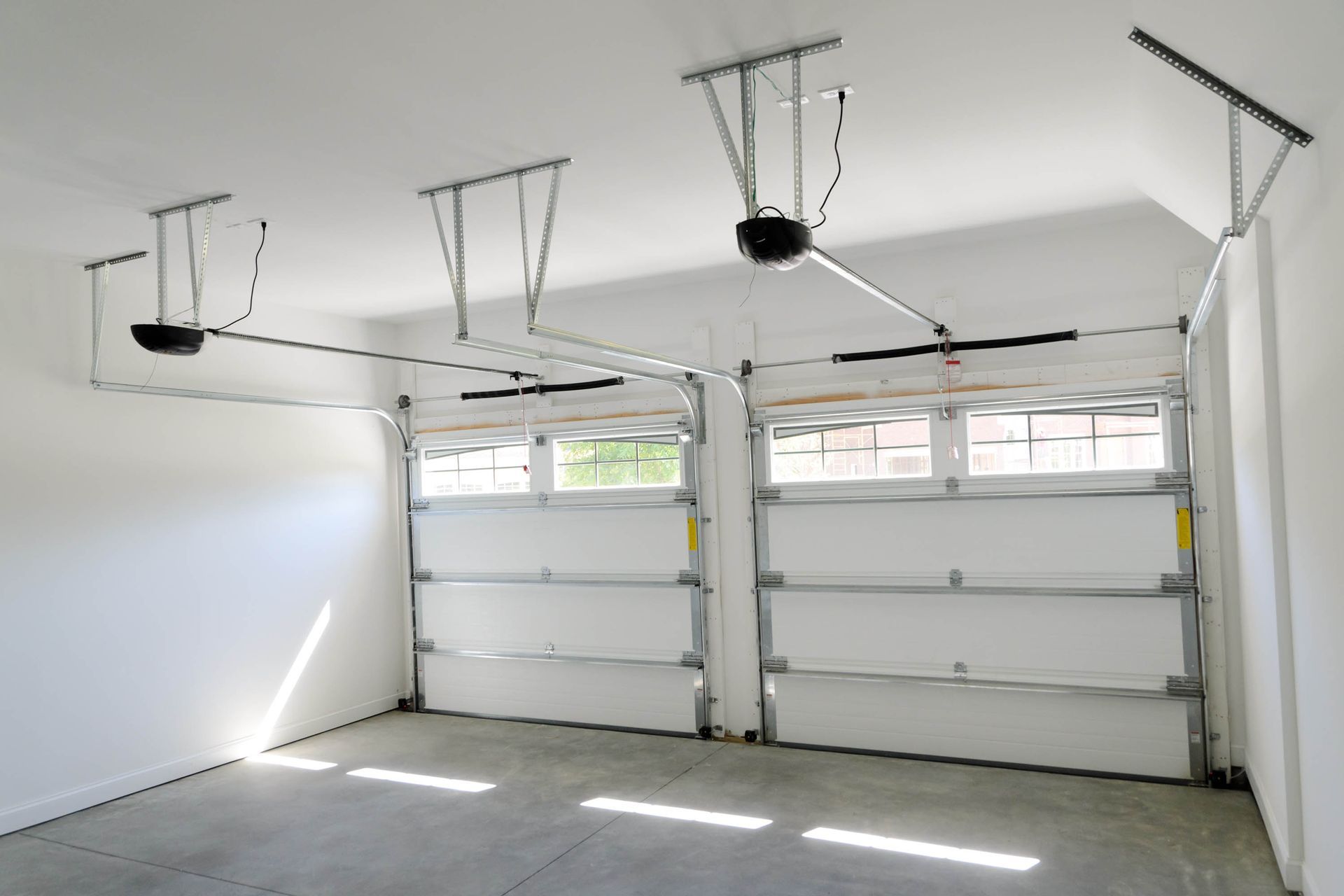
Daily performance provides critical insight into the health of an automated entryway mechanism. Smooth and quiet movement indicates that the springs, rollers, cables, and opener are functioning in harmony. Conversely, jerky motions, unusual friction, or a sudden refusal to open completely suggest underlying mechanical complications. According to Market Reports World, roughly 22 million garage doors undergo replacement or upgrade every single year across various residential neighborhoods. This high volume of updates reflects how crucial reliable daily operation is for property owners seeking smooth entry and exit. When operational hesitation begins, inspecting the tracking alignment and mechanical balance becomes essential. A door that feels unusually heavy when operated manually indicates worn tension springs, while grinding sounds during automatic operation often point to worn drive gears or depleted track lubrication. Identifying these operational symptoms early helps homeowners decide whether standard adjustments will solve the issue or if an updated model with modern mechanical components is necessary.
Analyzing Frequency of Operational Breakdowns
Recurring mechanical failures are a clear sign that an entrance system is struggling to maintain regular operational standards. When a system requires frequent technical intervention to address snapped cables, off-track rollers, or failing motor units, the ongoing disruption can become a significant inconvenience. Occasional maintenance is normal for any heavy mechanical system, but constant malfunction suggests that major components have reached the end of their functional lifespan. Property owners should track how often operational issues interrupt daily routines. If an entry system repeatedly stops midway through opening or requires constant manual intervention, component fatigue has likely set in across multiple interconnected parts. In scenarios where minor fixes only provide temporary relief before another component fails, relying solely on repetitive garage door repair may no longer deliver consistent long-term results. Transitioning to a completely new assembly eliminates the cycle of continuous malfunctions and restores full daily operational dependability.
Considering the Safety Features of Modern Systems
Operational safety is paramount for any heavy motorized feature installed in a home. Older overhead mechanisms often lack the advanced safety enhancements built into modern manufacturing designs, such as auto-reversing sensor beams, pinch-resistant panel joints, and reinforced emergency release systems. Over years of regular usage, safety mechanisms can lose calibration or fail completely, creating potential hazards for household members and pets. Testing photoelectric sensors, auto-reverse mechanisms, and physical balance ensures that the door stops and reverses immediately upon encountering an obstacle. If an older system lacks modern sensor technology or fails safety compliance evaluations, updating the components becomes a primary concern. While a skilled technician can complete a standard garage door repair to fix malfunctioning sensors or replace worn safety cables, extremely outdated mechanisms that lack modern built-in safety features are often better suited for full system replacement to ensure maximum household protection.
Reviewing the Noise Level During Daily Operation
Excessive operational noise is often one of the most noticeable warning signs that a mechanical system is deteriorating. While no large overhead mechanism operates in complete silence, loud screeching, heavy banging, or harsh grinding sounds signal significant friction and component wear. Metal rollers wearing down inside steel tracks, unlubricated chain drives, and loose mounting hardware all contribute to elevated noise levels. In many instances, applying appropriate lubricants, tightening loose fasteners, or replacing worn nylon rollers can dramatically quiet down the movement. When homeowners schedule a professional garage door repair, technicians can isolate the exact source of vibration and replace specific noisy components. However, if the loud noises stem from a severely worn motor unit or a bent track assembly that causes systemic binding, upgrading to a modern belt-driven mechanism offers a far quieter and smoother long-term experience.
Determining the Long-Term Goals for Your Property
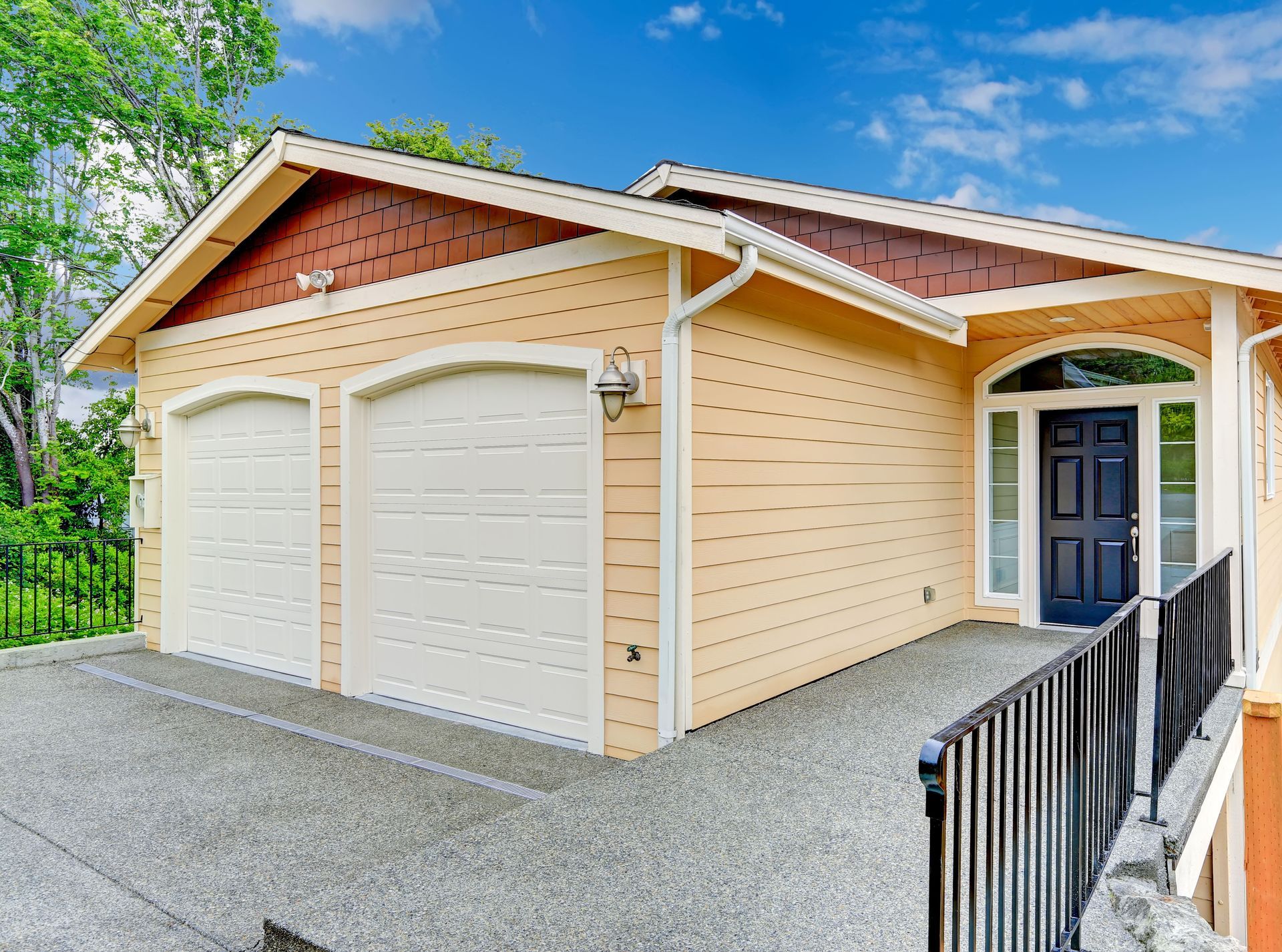
Every decision regarding property maintenance should align with broader long-term home improvement objectives. Property owners planning to update their exterior curb appeal, enhance home insulation, or improve overall energy efficiency often evaluate their overhead entryway as part of a larger exterior transformation. Modern replacement units offer superior insulation values, advanced weather stripping, and updated architectural styling that can dramatically enhance overall curb appeal. On the other hand, property owners who are completely satisfied with the appearance and energy performance of their current setup may find that addressing localized mechanical wear through precise garage door repair satisfies all current household requirements. Evaluating how long you plan to remain in the residence and how the entryway contributes to overall property functionality will guide you toward the ideal choice for your home.
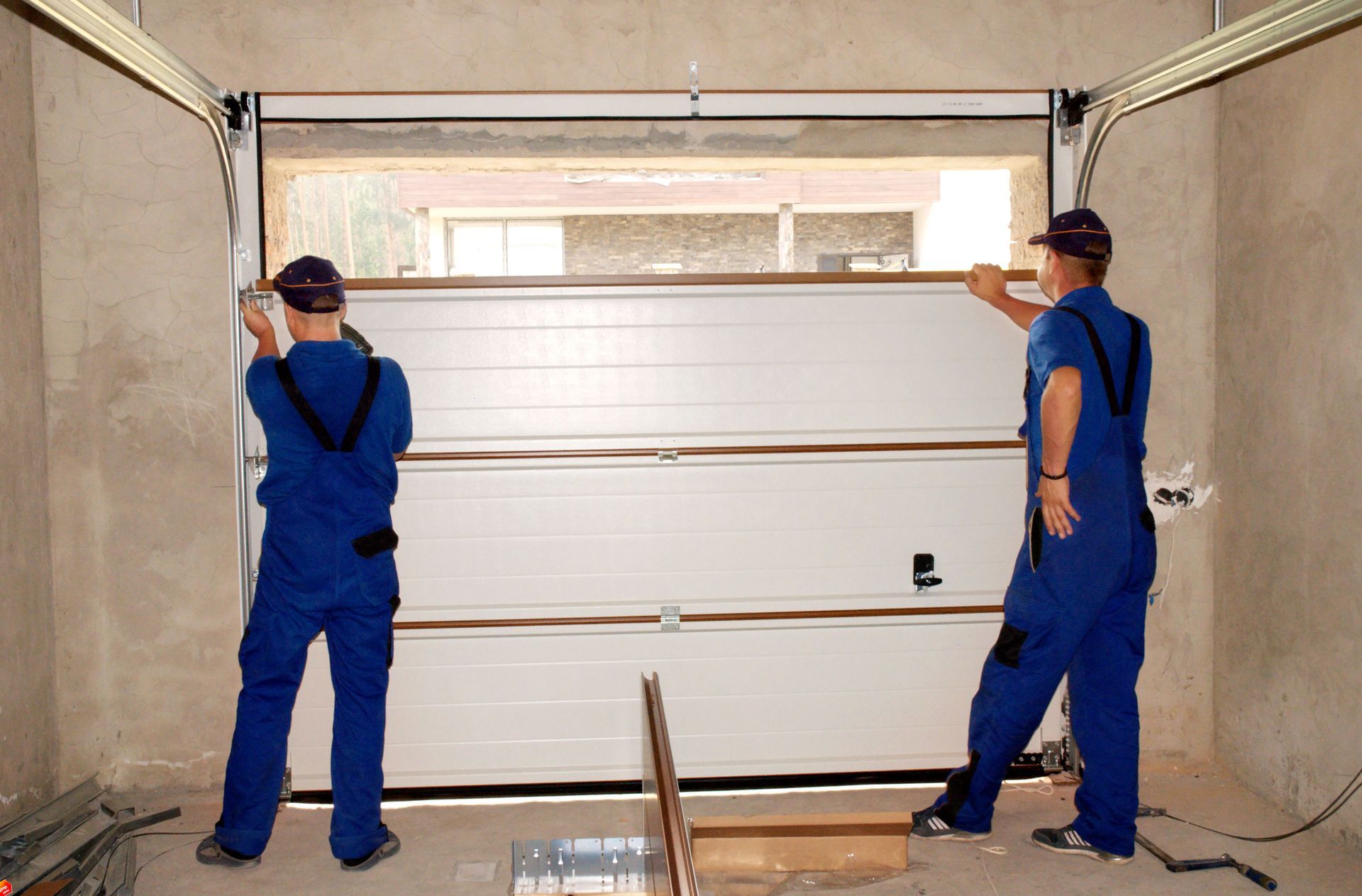
Making the choice between updating existing components and installing a completely new entryway system comes down to evaluating system age, operational stability, safety capabilities, and overall physical condition. Taking a proactive approach to property maintenance ensures that your home remains secure, functional, and visually appealing year after year. Addressing minor mechanical issues promptly prevents compound damage, while knowing when to upgrade allows you to take advantage of modern engineering advancements and enhanced quiet operation. When seeking expert guidance on the ideal path forward for your home, working with experienced professionals ensures reliable results. If you are ready for a smooth, dependable, and fully functional entryway, contact us at Kramer and Sons Overhead Door Service today. We will help you determine whether a comprehensive garage door repair or a modern system installation best fits your property needs.