Navigating home maintenance obligations requires balancing functional reliability, household security, and long-term financial budgeting across every major structural system. Among the various mechanical features within a modern residence, the heavy overhead entry system serves as both a primary access point for vehicles and a critical line of defense against weather and intrusion. However, continuous daily operation, weather exposure, material wear, and mechanical friction inevitably cause components to degrade over time. When unexpected mechanical failures occur, homeowners must navigate fluctuating service rates, component replacement costs, and labor estimates to restore safe operational conditions. Understanding the financial factors that influence garage door repairs empowers property owners to make informed budgeting choices, evaluate contractor estimates accurately, and avoid unnecessary service markups. Beyond immediate hardware costs, factors such as structural material quality, door dimensions, emergency service timing, and specialized technician labor influence final invoices. By learning how individual components operate and recognizing early warning signs of mechanical wear, individuals can manage maintenance expenses proactively before catastrophic breakdowns occur. Gaining clear insights into service cost variables protects household finances while ensuring your heavy entry system remains safe, quiet, and dependable across every season.
Analyzing Spring Replacement Costs
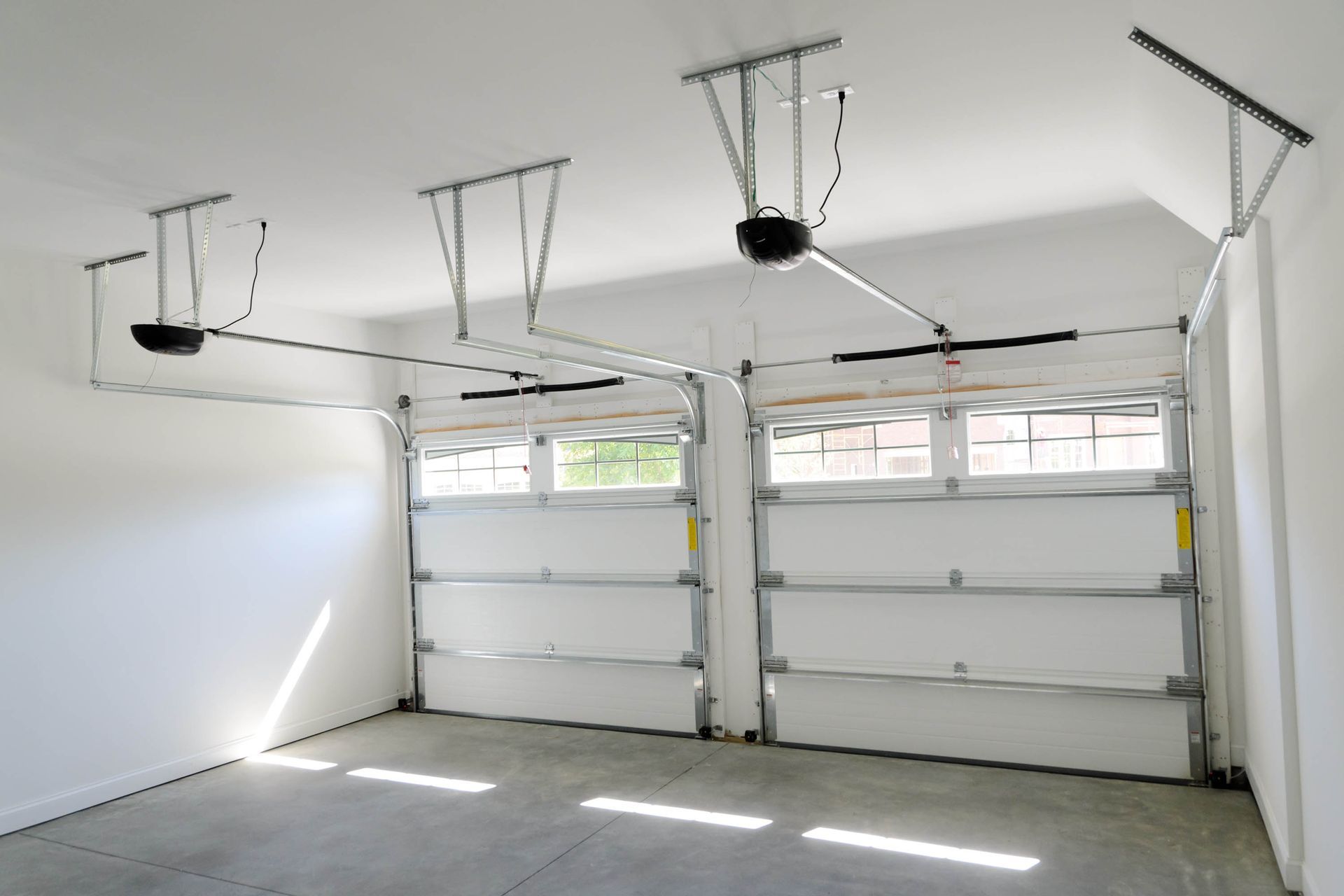
Evaluating the financial variables associated with spring restoration helps homeowners anticipate one of the most common mechanical service expenses. High-tension torsion and extension springs perform the heavy lifting required to raise and lower heavy overhead panels smoothly. Because these steel coils endure immense physical stress during every operational cycle, metal fatigue eventually leads to snapping, rendering the entire system immobile. When budgeting for spring service, costs depend heavily on whether the system utilizes standard single-tension springs or dual-torsion setups designed for heavy double-car entries. Replacing both springs simultaneously remains standard industry practice, as the surviving spring usually experiences similar wear and risks failing shortly after its mate. Labor rates for spring service reflect the specialized training and safety equipment required to wind high-tension steel coils safely. Investing in high-cycle replacement springs slightly increases upfront material costs but provides significantly longer operational lifespans, delivering superior long-term financial value for busy households.
Estimating Cable and Roller Fees
Budgeting for cable and roller maintenance involves assessing lightweight mechanical parts that play a vital role in structural stability and track alignment. High-tensile steel cables work alongside spring assemblies to pull the door upward along vertical and horizontal tracks, while nylon or steel rollers guide panel movement. When lift cables fray, rust, or slip off their drums, the door tilts dangerously, placing severe uneven stress on track channels and opener gears. Addressing worn cables quickly keeps repair invoices low by preventing extensive frame warping or panel damage. Similarly, swapping out rusted steel rollers for sealed ball-bearing nylon replacements reduces operational noise dramatically while minimizing mechanical friction. Labor costs for roller and cable service remain modest because skilled technicians can complete component swaps efficiently. Addressing frayed cables and worn rollers early prevents sudden track derailments, protecting property owners from far more costly emergency structural repairs.
Evaluating Opener Motor Expenses
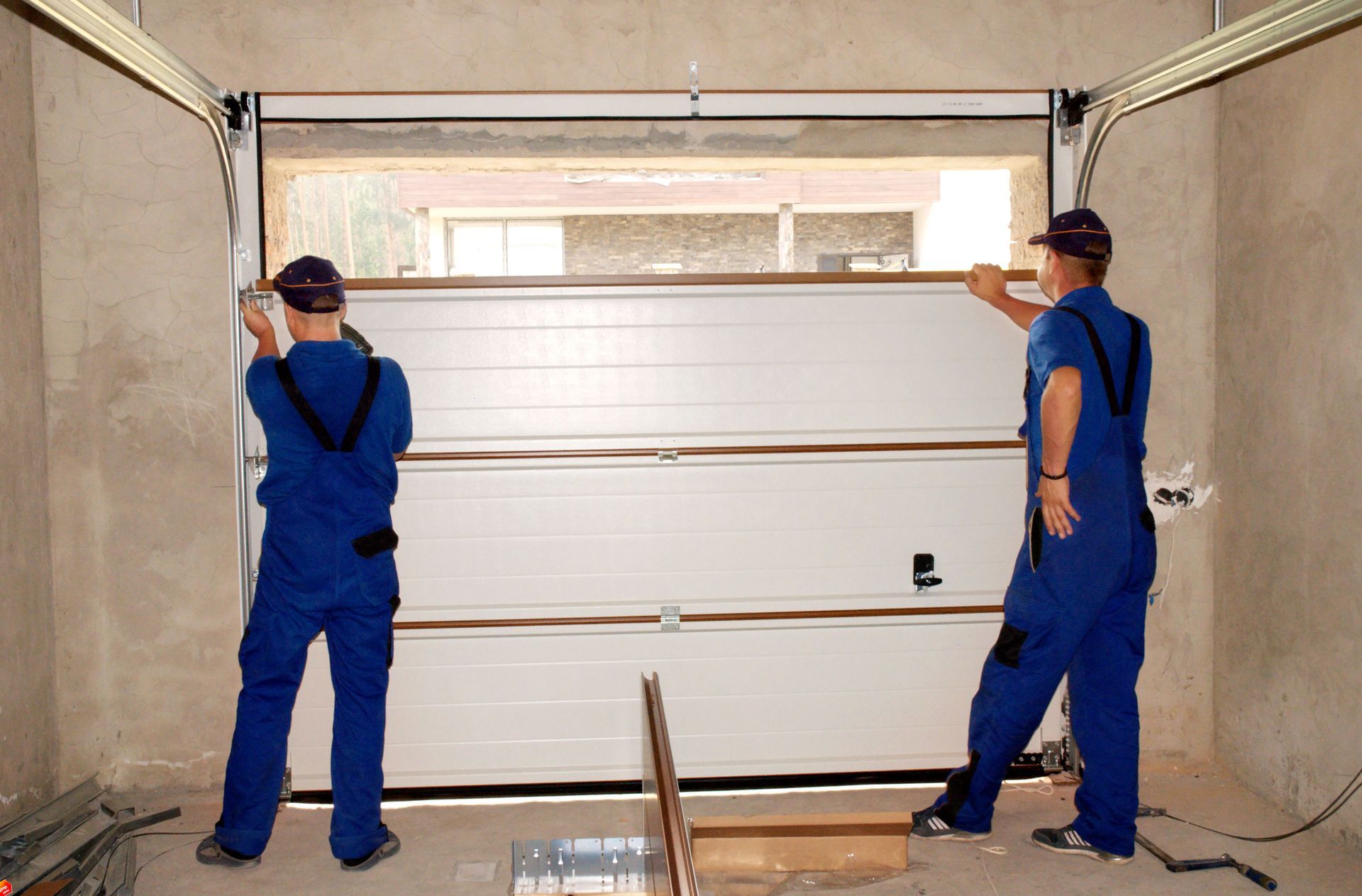
Understanding the costs related to electric motor repairs involves separating simple electronic sensor recalibrations from full motor unit replacements. Modern overhead motor units rely on delicate electronic circuit boards, gear drives, drive belts, and safety sensors to open and close panels effortlessly. When a motor unit malfunctions, technicians first inspect inexpensive components, such as misaligned safety eyes, worn drive belts, stripped nylon gears, or dead remote batteries. Resolving minor electronic or gear issues keeps service invoices low and extends the working life of existing equipment. However, if the main motor winding burns out or the logic board fails, replacement becomes the most practical financial option. According to HomeGuide, replacing a garage door of the same type and size as the old one takes three to six hours. This installation timeframe highlights the substantial labor commitment needed when removing outdated drive hardware, mounting new ceiling rails, and calibrating advanced safety features during major mechanical upgrades.
Assessing Panel Damage Rates
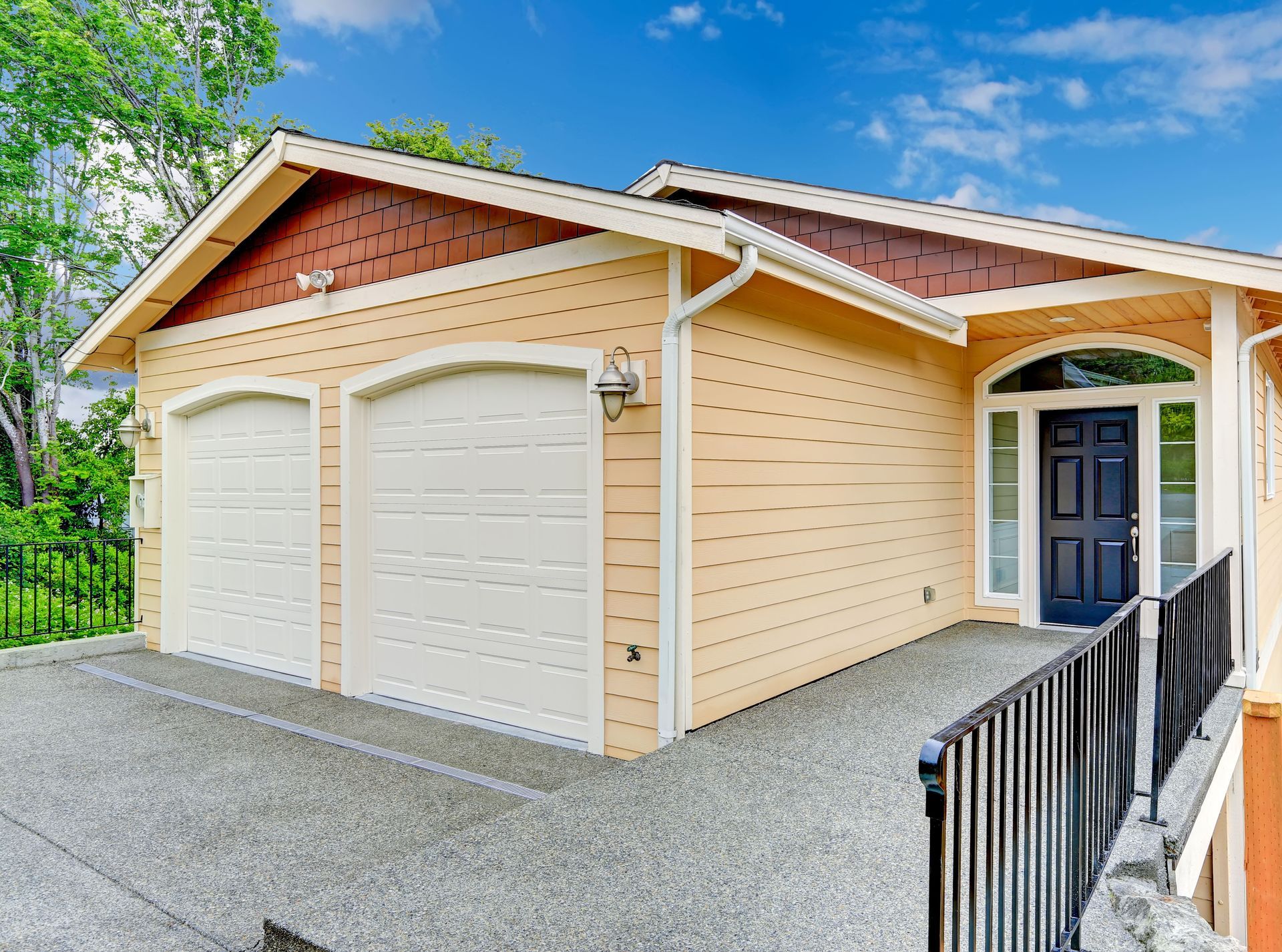
Determining the financial feasibility of repairing or replacing individual structural panels depends heavily on door material, age, finish availability, and impact severity. Accidental vehicle bumps, stray sports balls, or heavy windstorms can dent, crack, or warp isolated door sections without damaging the surrounding mechanical track assembly. When structural damage remains isolated to a single bottom or middle section, purchasing a matching replacement panel costs considerably less than replacing the entire multi-section overhead unit. Material choices impact replacement expenses significantly, as basic uninsulated steel panels cost far less than custom stained wood, insulated composite, or full-view glass designs. However, if the overhead door model has been discontinued by the manufacturer, finding matching panel sections becomes difficult, often making complete door replacement the only viable route. Working with experienced technicians ensures accurate structural assessment, helping homeowners choose between localized panel fixes and full unit replacements.
Understanding Track Alignment Expenses
Factoring track alignment and structural straightening into your maintenance budget helps prevent severe operational lockups and panel drops. Horizontal and vertical steel tracks guide heavy rollers smoothly along wall perimeters, maintaining proper structural balance throughout opening and closing movements. If a vehicle lightly bumps a track rail or mounting brackets loosen over time, the tracks shift out of plumb, causing rollers to bind, squeal, or pop out entirely. Performing professional track realignments requires loosening wall brackets, re-leveling track channels, tightening structural fasteners, and testing door balance across full operational cycles. Minor track alignment services represent low-cost maintenance procedures that yield immense operational benefits. However, if track rails suffer severe impact bending or structural twisting, technicians must replace damaged steel sections to ensure safe movement. Keeping tracks clean, clear of debris, properly lubricated, and perfectly aligned eliminates excessive friction, protecting the entire opener assembly from premature wear.
Factoring Emergency Service Rates
Accounting for timing, location, and contractor availability helps homeowners navigate service premiums associated with unexpected mechanical breakdowns. Garage door failures rarely happen at convenient times, often trapping vehicles inside garages right before morning commutes or leaving homes exposed late at night. Requesting emergency technician dispatch during late-night hours, weekends, or major holidays incurs higher labor rates due to overtime compensation and immediate scheduling demands. Additionally, service call fees cover diagnostic labor, travel distance, and initial site safety evaluations regardless of the specific mechanical work required. Homeowners can mitigate unexpected service costs by establishing relationships with reputable local maintenance companies that offer transparent flat-rate diagnostic fees and clear upfront pricing structures. Scheduling routine annual inspection tune-ups allows professional technicians to identify weak springs, frayed cables, and loose hardware early, virtually eliminating the need for expensive middle-of-the-night emergency dispatches.
Navigating the financial aspects of maintaining overhead entry systems requires understanding how individual mechanical components, labor times, and service urgency influence overall expenses. From replacing snapped high-tension springs and frayed lift cables to recalibrating opener motors, realigning bent tracks, and swapping damaged panels, timely garage door repairs protect both property value and personal safety. Proactively addressing minor operational squeaks, jerky movements, or slow performance prevents minor mechanical friction from escalating into catastrophic failure. Partnering with transparent, experienced service professionals ensures clear diagnostic estimates, fair pricing, and long-lasting mechanical reliability across every operational component. At Kramer and Sons Overhead Door Service, we take immense pride in delivering top-tier mechanical repairs, reliable door installations, and honest customer service to keep your entry system operating smoothly, quietly, and safely year after year. Contact us today to schedule your comprehensive door inspection, request a clear repair estimate, or discover how our experienced team can serve your home.