By Mark Kramer
May 12, 2026
A noisy garage door is more than just a minor annoyance; it is often a cry for help from one of the hardest-working mechanical systems in your home. When your garage door begins to rattle, grind, or squeak, it typically indicates that you may soon need a garage door repair because internal components are suffering from friction, misalignment, or simple exhaustion. Understanding the specific causes behind these sounds—ranging from worn rollers to imbalanced springs—is the first step toward restoring peace and ensuring the safety of your household. This guide breaks down the most common culprits of garage door noise and how to identify them before they turn into a total system failure.
Understanding the Common Causes of a Noisy Garage Door
Worn-out Rollers
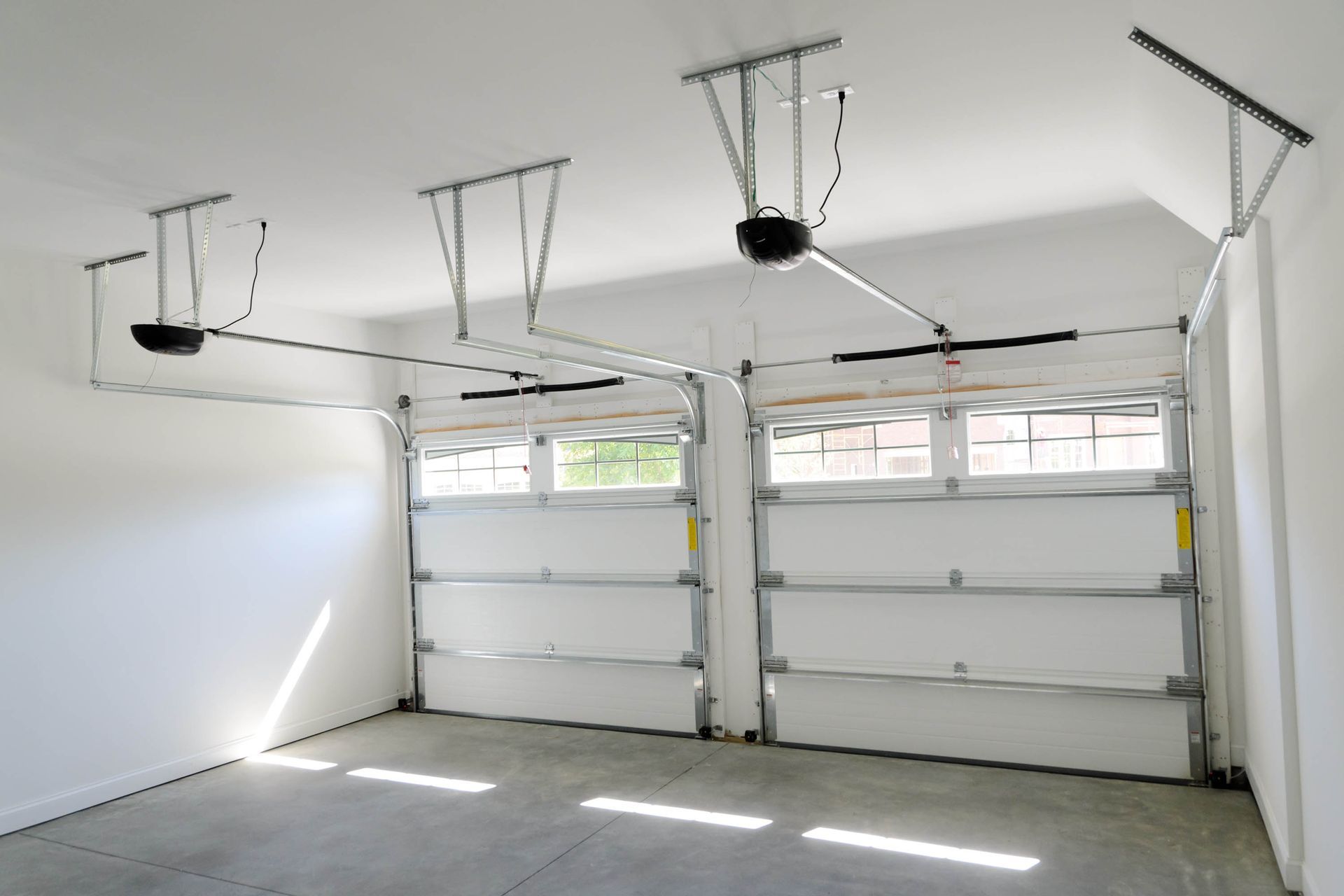
Worn-out rollers are a frequent culprit behind noisy garage doors. Over time, the rollers, which move the door along tracks, can degrade with regular use. When rollers wear down, they no longer move smoothly, creating racket and putting additional strain on the garage door system. This excess noise can often be a sign that the rollers need lubrication or replacement. Regular inspection and maintenance of rollers are crucial to preventing wear and tear that leads to noise production.
Ignoring worn-out rollers can lead to more severe issues within the garage door system. For instance, damaged rollers increase friction and can accelerate the wear on other essential components of the garage door. Replacing worn-out rollers with high-quality nylon versions can significantly reduce noise and prolong the duration of your garage door's efficient functionality. Moreover, this upgrade is a cost-effective solution compared to dealing with the consequences of ignoring the problem.
Loose Hardware
Loose hardware can be another source of noise in garage doors. Over time, the vibrations and movements involved in opening and closing the door can slowly loosen bolts, nuts, and screws. These loose components can cause the door to rattle excessively. It is crucial to regularly check and tighten the hardware to prevent these issues. Failure to do so can lead to more significant alignments or balance problems within the system.
Regular maintenance, including ensuring that all hardware is sufficiently tightened, can preempt many garage door noise issues. Catching loose hardware early can prevent additional strain on the system and avoid costly garage door repair due to parts becoming overly worn or damaged. Keeping a schedule to routinely assess the condition of these components can help maintain garage door integrity and prevent unexpected breakdowns.
Imbalanced Door
An imbalanced garage door is often a hidden source of unusual noises. This imbalance can occur due to misaligned tracks or uneven distribution of weight. When a door isn't balanced properly, it doesn't move as designed and can produce grinding or squeaking noises. It can also exert undue stress on the opener, leading to further mechanical issues. Addressing balance issues early can prevent larger, costlier problems in the future.
Adjusting the balance of a garage door often requires professional skills and tools to ensure safety and effectiveness. Professionals can accurately rebalance the door, ensuring it operates smoothly once again. A balanced door not only minimizes noise but also safeguards against unexpected wear on the opener and other linked components. Investing in this balance adjustment is a proactive step towards extending the door's lifespan.
Rusty Springs and Hinges
Rusty springs and hinges in garage doors are common sources of distressing noises. When springs become corroded, they lose elasticity and noisily grind or snap as the door operates. Similarly, hinges, which allow the door to fold with ease, can make loud noises when they rust. Lubrication can help alleviate this issue temporarily, but worn or rusted parts typically need replacement. Regular maintenance focuses on catching rust before it spreads and impairs door mechanics.
Rust indicates that the materials are starting to decay, a problem that only escalates if left unchecked. Swapping out parts like springs and hinges that are beginning to rust is typically more cost-effective than dealing with the ramifications of their failure. According to Hamblen Injury Law, more than 20,000 people are injured annually by garage doors in the United States. Such failure could lead to a garage door that gets stuck or collapses, causing possible damage or injury. Being proactive in handling rusty components ensures smoother, quieter operation.
Diagnosing the Source of the Noise
Listening for Specific Sounds
Identifying the source of garage door noise often starts with attentive listening. Specific sounds can lead you to the root of the issue, making targeted repairs possible. A grinding noise might suggest worn rollers or a misaligned track, while a squeaking sound could point to a need for lubrication. Each noise tells a story, and understanding these audibles is crucial in diagnostics. Taking time to listen closely when operating the door can reveal critical insights.
Frequently, these noises provide early warnings of potential mechanical failures. If you notice that certain noises coincide with particular actions, like the door beginning to close or at the midpoint of opening, it could narrow down the issue to specific components. Understanding these noise patterns is key to determining whether a quick fix, lubrication, or a more thorough garage door repair is needed. Such careful attention can save time and money by addressing minor issues before they escalate.
Visual Inspection Tips
Alongside listening, a detailed visual inspection provides valuable clues to the garage door’s condition. Look for visible signs of wear such as worn or frayed cables, rust deposits, or misaligned tracks. By systematically examining each component, you can confirm suspicions raised by specific noises. A keen eye can often detect what might be counteracting the door's smooth operation, like debris in the track or visible dents.
In addition to visible damage, watching how the door operates can reveal misalignments or balance issues. Standing at a distance and observing the garage door from start to finish can spotlight irregular movements or unusual strains. This method is particularly useful for identifying problems that may not be captured in regular use but become evident during extended operation. Being vigilant during these inspections ensures a comprehensive assessment.
Consultation with a Professional
After exhausting self-diagnostics, professional consultation can be the next step in resolving garage door noise issues. Experts have the experience needed to decipher complex problems and offer tailored solutions. A professional examination typically involves a complete review of all components, identifying issues that might go unnoticed to an untrained eye. Engaging a professional ensures a comprehensive assessment, from fault identification to solution recommendations.
Professionals can also provide insights into long-term maintenance strategies, advising on part upgrades or replacement timelines. Leveraging industry expertise can save money by optimizing garage door repair processes, prioritizing parts and services that deliver sustained performance. Furthermore, professional services are equipped with specialized tools, allowing them to explore and address extensive problems efficiently.
Addressing the source of a noisy garage door is essential for maintaining both the longevity of the system and the security of your home. While many issues like loose hardware or lack of lubrication can be handled with routine maintenance, persistent grinding or balance problems often require the steady hand of an expert. By staying vigilant and conducting regular visual and auditory inspections, you can catch minor wear before it results in an expensive emergency garage door repair. Ultimately, a quiet garage door is a sign of a healthy, well-maintained system that will continue to operate reliably for years to come.
Is your garage door making more noise than it should? Contact Kramer & Sons Overhead Door Service today for a professional inspection and expert garage door repair.