By Mark Kramer
July 1, 2026
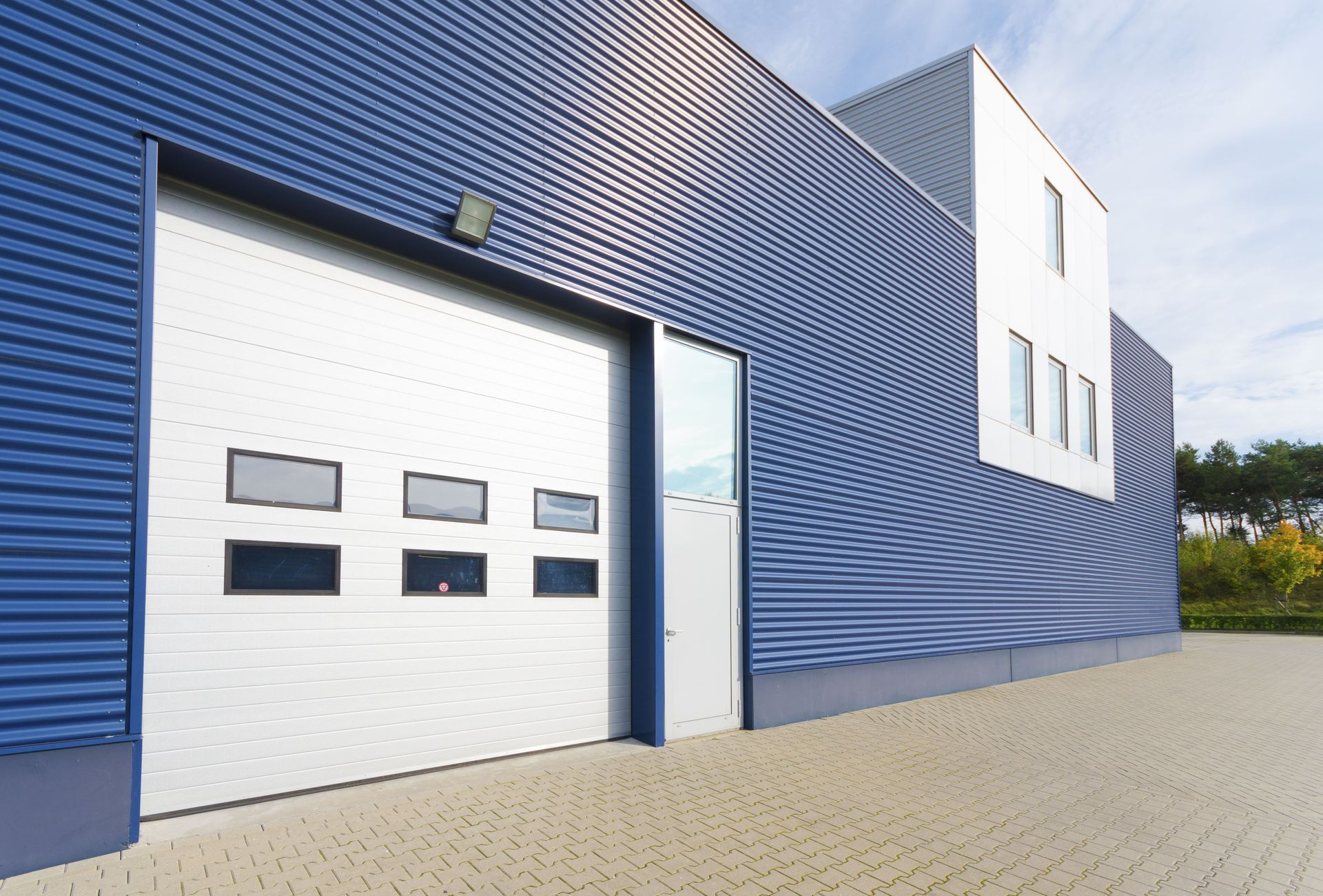
In the competitive logistics and warehousing industry, efficiency and speed are critical factors that can significantly influence operations. High speed commercial doors are designed to improve workflow by reducing delays at entry and exit points while supporting smoother movement of goods throughout a facility. These systems are increasingly used in warehouses to help optimize daily operations and maintain consistent performance across high-traffic environments. This article explores the key benefits of these systems and their role in modern warehouse settings.
Efficient Operational Improvements in Warehouse Settings
Efficiency and speed are essential in warehouse operations, and high speed commercial doors are designed to support both. Their rapid opening and closing cycles help reduce wait times between zones, improving the overall flow of materials and personnel. This helps minimize interruptions that can slow down operational processes.
By reducing downtime at entry points, these systems support more continuous movement throughout the facility. Staff can complete tasks with fewer delays caused by slow-operating access points. This contributes to a more productive and streamlined working environment where processes move more efficiently from one stage to the next.
These systems also help reduce unnecessary strain on equipment by limiting exposure time during open cycles. This can contribute to fewer operational interruptions and more consistent performance in busy warehouse settings. Over time, this supports smoother day-to-day operations across high-traffic areas.
Improved operational timing also helps coordinate movement between different warehouse zones more effectively. This allows teams to maintain better rhythm across loading, staging, and storage activities. As a result, workflow continuity is strengthened throughout the facility.
Consistent Energy Performance in Controlled Environments
High speed commercial doors help support energy efficiency by reducing the amount of time door openings remain exposed. This minimizes air exchange between interior and exterior environments, helping maintain more stable indoor conditions in temperature-sensitive warehouse spaces. These conditions support more consistent storage environments and operational comfort within facilities.
According to PR Newswire (2025), adoption of smart garage door openers reached 11% of U.S. internet households. This reflects broader trends in automated access systems that influence both residential and commercial applications. Similar advancements support improved efficiency in modern warehouse door technologies.
By limiting the duration of open cycles, these systems help reduce the loss of conditioned air, which can support more efficient heating and cooling performance within the facility. This contributes to a more controlled indoor environment that benefits both storage conditions and day-to-day operations. Over time, these efficiencies can support more stable energy usage patterns in warehouse environments.
Consistent temperature regulation also helps reduce strain on HVAC systems during peak operating periods. This can contribute to more balanced energy demand across daily warehouse activity cycles. Facilities benefit from more predictable environmental performance throughout varying seasonal conditions.
Secure Access Control in Active Facilities
Safety is a key consideration in warehouse environments, and high-speed commercial doors are designed with operational safety features that help reduce risks during daily use. Many systems include sensors that help detect obstructions and prevent door movement when an object or person is in the path. These features help reduce workplace incidents in high-traffic environments.
Access control systems can be integrated with these systems to help regulate entry and exit points within a facility. This allows warehouse operators to better manage who can access specific areas, supporting more controlled movement throughout the building. These measures contribute to improved operational oversight and facility organization.
Fast operating cycles also reduce the amount of time openings remain exposed, which can help limit unauthorized access opportunities in busy or high-traffic environments. This contributes to a more secure operational layout where movement is easier to manage. Over time, this supports better control of facility access points.
Layered safety measures work together to create a more controlled operating environment for staff and equipment. This combination of fast operation and access regulation supports safer day-to-day movement within busy warehouse facilities. It also helps reduce operational risk during peak activity periods.
Dependable Performance Under Heavy Use Conditions
High speed commercial doors are engineered for frequent use in demanding environments, making them suitable for warehouse operations that require consistent performance throughout the day. Their design helps support long-term functionality under repetitive cycling conditions. This makes them well-suited for high-demand commercial applications.
Durable construction materials and system components are used to support extended operational life and reduce the likelihood of frequent service interruptions. This helps maintain workflow consistency in busy facilities where downtime can impact productivity. These systems are designed to withstand repeated use over extended periods.
Routine servicing is still important for maintaining optimal performance, but these systems are designed to operate dependably under continuous use conditions commonly found in warehouse environments. Regular inspections help ensure continued efficiency and safe operation. This supports long-term operational stability.
Consistent performance under heavy daily use helps reduce unexpected interruptions in workflow. Over time, this dependability contributes to smoother operational planning across warehouse activities. Facilities benefit from fewer disruptions tied to access system failures.
Flexible Installation Across Facility Layouts
High speed commercial doors offer flexible configuration options that allow them to be used in a variety of warehouse layouts. They can be adapted to different opening sizes and operational requirements depending on facility needs. This makes them suitable for diverse commercial environments.
Their design supports integration into existing building structures without requiring major modifications, making them suitable for both new construction and retrofit applications. This allows warehouses to improve access efficiency without significant structural changes. Installation flexibility supports a wide range of facility types.
These systems can also be used in different operational zones within a facility, supporting a range of material handling and traffic flow requirements depending on the function of each area. This allows for more efficient internal organization. Over time, this adaptability supports improved workflow management.
These systems can also be adjusted to accommodate evolving facility layouts as operational needs change over time. This makes it easier for warehouses to scale or reconfigure internal processes without replacing existing door infrastructure. These adaptable systems support long-term usability in dynamic commercial environments.
Streamlined Facility Appearance and Professional Presence
High speed commercial doors contribute to a clean and organized facility appearance, supporting a more modern and professional operational environment. Their streamlined design helps maintain a consistent and efficient visual layout within warehouse spaces. This contributes to a more structured facility presentation.
A well-maintained facility appearance can support a more structured work environment for employees and create a positive impression for visitors or clients entering the space. This contributes to an overall sense of operational order and efficiency. Visual consistency can also improve perceived professionalism.
In addition to functional benefits, these systems help support a cohesive facility layout that aligns with modern warehouse design standards focused on efficiency and practicality. This helps maintain a uniform operational environment. Over time, this can support better workplace organization.
These systems provide multiple operational advantages for warehouse environments, supporting smoother traffic flow, improved energy efficiency, enhanced safety performance, and adaptable installation options. Designed for demanding commercial and industrial settings, they help maintain consistent operation in facilities where efficiency and reliability are essential. These benefits make them a practical infrastructure upgrade for modern warehouses.
For facilities aiming to improve access control, reduce workflow interruptions, and strengthen overall operational performance, these systems can be a practical upgrade to existing infrastructure. To learn more about available overhead door solutions, Kramer & Sons Overhead Door Service offers commercial and high-performance door services designed for warehouse and industrial applications. Our team provides support tailored to facility needs and operational demands.